Tag: family

  • Defining Success: Lessons from Steve Jobs

    Defining Success: Lessons from Steve Jobs

    Daily writing prompt
    When you think of the word “successful,” who’s the first person that comes to mind and why?

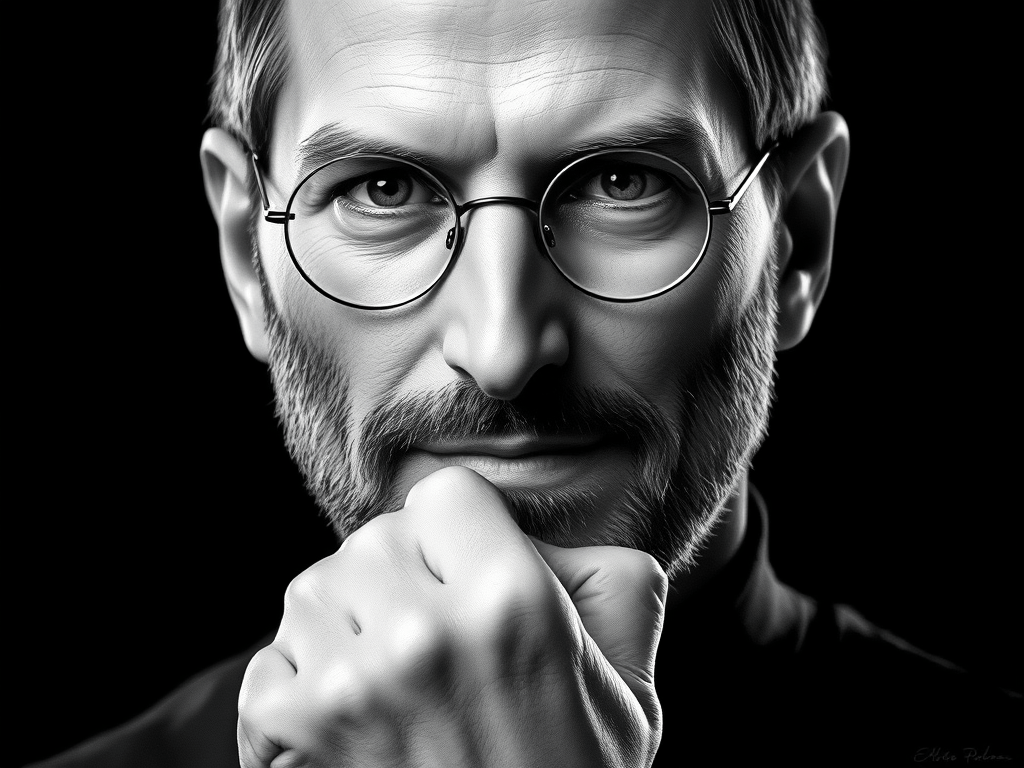
    When I think of the word successful, the first person who comes to mind is Steve Jobs — the man who, in my mind, shaped the modern world of smart devices. The iPhone alone changed everything. Even beyond that, he had this magnetic energy — a “reality distortion field,” people called it — that could make the impossible possible. When he presented a product, the world believed in it.

    The image that always sticks with me is the black-and-white portrait from his biography — the one with his fist resting casually under his chin. That was probably the first biography I ever finished. Reading it made me realize how rare it is to find someone with such vision, even if it came with flaws.

    Jobs’ list of achievements is long: Apple I/II, Mac, iPod, iPhone, iPad, and even Pixar. Most people would be lucky to create one thing that defines a generation; he helped build several. He left behind a legacy that reshaped industries and habits worldwide.

    What I admired most about him was his tenacity — that relentless drive to push past limits. At the same time, I know I wouldn’t have liked working for him. According to his colleagues, he was difficult, even harsh. It’s strange to look up to someone whose leadership style I probably couldn’t tolerate. But I think that makes him more fascinating: his flaws were as much a part of his story as his brilliance.

    For Jobs, success wasn’t just a product launch or a billion-dollar milestone. It was his ability to keep creating, influencing, and moving the world forward. Death was the only thing that stopped him. To me, that is both inspiring and tragic.

    Compared to him, I’m nowhere close. I start many projects and never finish any of them. But maybe success isn’t about being like Steve Jobs. I like to think that being a better husband and father makes me more successful than he was in ways that matter to me.

    When he died, I read his biography and felt motivated, less lazy. For a while, that drive changed how I lived. I should probably reread it again, just to recalibrate.

    I still admire him, even knowing he wasn’t perfect. His passion, his presence, his ability to make people believe — all of that still moves me. Every once in a while, I rewatch one of his keynotes on YouTube, not for the nostalgia, but as a reminder of the success he had.
    Advertisements
  • When I First Felt Like a Grown-Up

    When I First Felt Like a Grown-Up

    Daily writing prompt
    When was the first time you really felt like a grown up (if ever)?

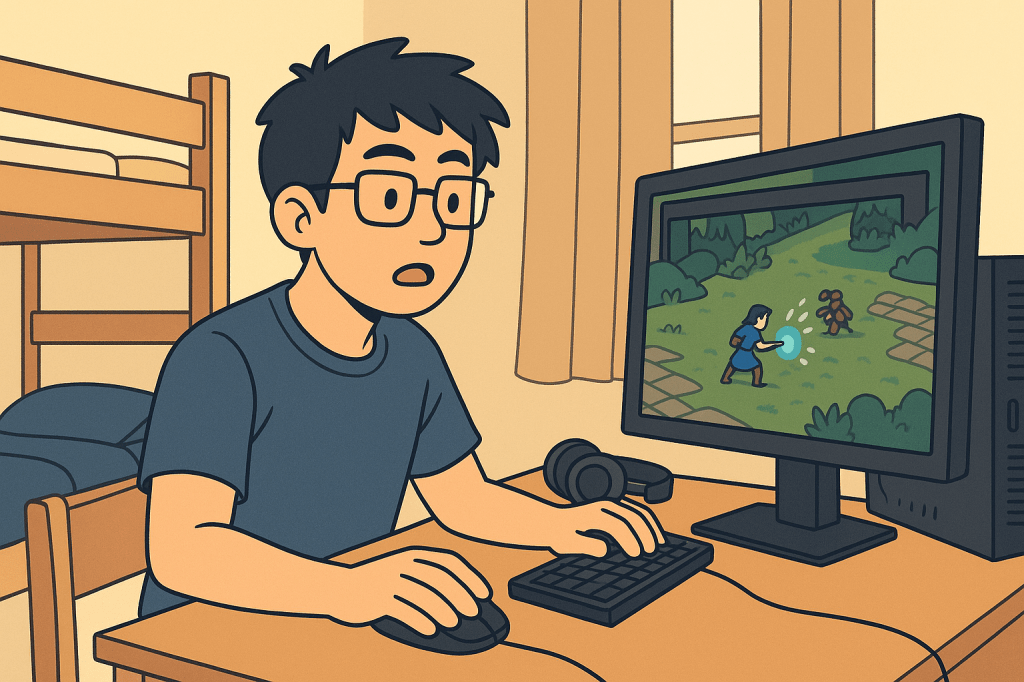
    The first time I really felt like a grown-up wasn’t some grand milestone. It wasn’t landing a job, getting married, or becoming a dad. It was the first night I moved into my college dorm—completely free, finally on my own.

    I remember setting up my computer, feeling independent and responsible for the first time. Meals? My responsibility. Laundry? My responsibility. Sleep schedule? My problem. And what did I do with all that newfound freedom? I fired up Diablo II. My sorceress’s spell sounds echoed down the dorm hallway—loud enough for everyone to hear. Looking back, I can’t believe I did that. So embarrassing.

    That moment was my first glimpse of adulthood: freedom mixed with clueless enthusiasm.

    Years later, the “grown-up” moments kept leveling up. Getting my own place after college. Paying rent. Starting my career. Doing taxes, paying bills, keeping food on the table—all the standard side quests of adult life. It’s tiring, but also strangely rewarding. There’s comfort in the rhythm of responsibility.

    Now I’m the husband, the father, the guy who makes sure things keep running. My younger self would probably see me and think, “Wow, I became my dad.” And he’d be right. The difference is, I understand now why my dad always looked tired—but also why he kept going.

    I still don’t always feel grown up. I go through the motions: work, family, bills, repeat. Sometimes I wonder if anyone truly feels like one, or if we’re all just older kids pretending, learning as we go. Maybe being grown up isn’t about feeling like one—it’s about doing what needs to be done, even when you’d rather be doing something else.

    Advertisements
  • If I Had a Million Dollars to Give Away

    If I Had a Million Dollars to Give Away

    Daily writing prompt
    If you had a million dollars to give away, who would you give it to?

    If I suddenly came across a million dollars, my first instinct would be to invest it. But since this is about giving it away, I’d probably start with the people who come to mind first—my parents.

    When my sister and I were little, our family never seemed to struggle. My parents’ business did well, and money wasn’t something we worried about. But as I grew older, that changed. Their business slowed, and I started hearing the arguments—the yelling, the blaming, the tension that filled the house. It took years to realize that money itself wasn’t the problem; it was the lack of understanding around it.

    If I gave my parents money today, I’d probably do it over a phone call. We don’t talk often, but I think they’d appreciate the surprise. I wouldn’t make a big deal out of it—just something between us. Quiet giving feels right. No one else has to know.

    Beyond family, I’d look around to see who else truly needs help. Most people want more money, but not everyone needs it. The truth is, money only brings temporary happiness unless something deeper changes. If I really wanted the gift to last, I’d try to make sure it came with guidance—maybe a resource or a conversation about saving, investing, or building a future.

    To me, a good use of money isn’t about spending—it’s about letting it work for you. Saving, investing smartly, understanding compound interest—basic ideas, but powerful ones. If even one person learned how to manage money better because of what I gave, I’d feel I gave well.

    Because at the end of the day, it’s not about coming across the money—it’s about what you do with it once you have it.

    Advertisements