Tag: blog

  • More Than Quiet

    More Than Quiet

    Daily writing prompt
    What’s something most people don’t know about you?

    Most people see me as the quiet one. When I’m in a large group, there are usually people who do most of the talking. In that situation, I usually keep quiet and like to listen. When I’m in a smaller group, or perhaps in a one on one situation, I like to participate in a balanced conversation.

    It’s not that I like being quiet, quiet the opposite. Like everyone else I have my opinions and thoughts. It’s just that I really dislike being interrupted I talk, so I try not to do that to others. These days, I find that people love to talk. They talk fast, and move from topic to topic. Sometimes I feel like if I want to contribute, I’d have to interrupt, but I try to avoid that.

    I can be talkative if I want, but I find myself not needing to as much. Maybe it’s age, but I find more value in listening now. Then there are those who love to dominate conversations, taking up most of the time. I find myself losing motivation to talk to those folks.

    People often misunderstand quiet people. Quiet people are usually seen as shy, even nice, or maybe dull. But quiet doesn’t mean we’re just sitting back. We think before we speak. We listen. And then we choose to talk.

    Advertisements
  • Trying Something New: Doing Things Alone in Public

    Trying Something New: Doing Things Alone in Public

    Daily writing prompt
    What could you try for the first time?

    I had to think hard before I could remember the last time I did something fun by myself — not errands, not a workout, just something for me. The best I could come up with was shooting hoops or maybe window shopping. It’s funny: for someone who enjoys being alone, I rarely go out alone.

    Maybe it’s because doing things solo costs money. When I’m with others, spending feels justified — events, movies, trips — but when it’s just me, I’d rather save the money. It feels selfish somehow, like I should save that money for something “real.”

    At home, I’m comfortable alone. I work out, watch sports, read, and stream shows — things that keep my mind busy. But being alone in the world feels different. It’s not just quiet; it’s exposure. I envy people who can eat out or watch a movie solo without caring who notices. They seem confident in their own company.

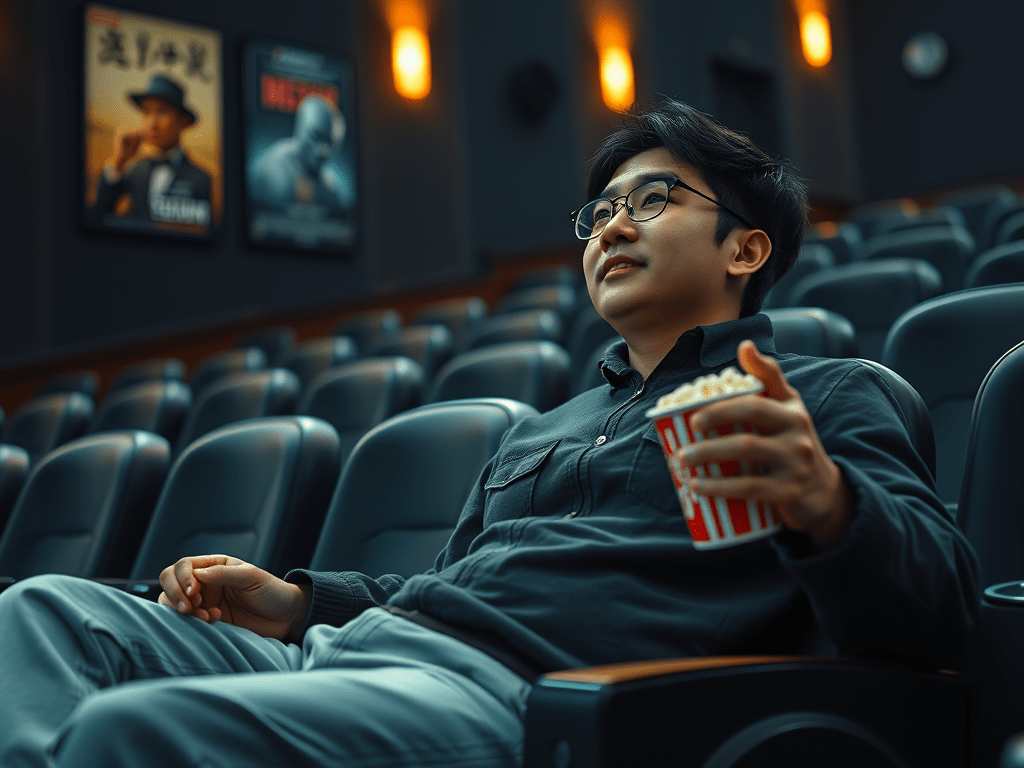
    If I were to start, I’d keep it simple — go see a movie alone. It’s low effort and doesn’t require small talk. Still, I know I’d regret it and think about how I could’ve just watched something at home. But there’s something appealing about the freedom — no coordinating, no compromises, no worrying about anyone else’s preferences. Just all me, doing what I want.

    That freedom is what draws me to it. But there’s also a small fear: that people might see me sitting alone and think it’s sad. Maybe that comes from childhood — the instinct to not look “left out.”

    Maybe the trick is to focus on the moment — the movie, the meal, the game — and stop caring about others. Comfort probably starts there: when you stop needing your solitude to be hidden.

    Doing things solo doesn’t have to mean isolation; it can mean discovery. Maybe there are parts of me I haven’t met yet — interests, capabilities — waiting for me to start.

    Advertisements
  • Finding My Center: How Balance Defines My Life

    Finding My Center: How Balance Defines My Life

    Daily writing prompt
    What principles define how you live?

    When I think of balance, I imagine life in perfect harmony. Everything I do has a counterbalance — a way to even things out. If I work hard, I make sure to take time to enjoy life. If I indulge, I do it in moderation. I love food, but I eat moderately and work out to balance it. For me, balance isn’t about cutting out the things I enjoy — it’s about creating equilibrium so nothing outweighs the rest.

    Balance, to me, applies to everything — time, energy, and emotion. If I spend time on something, I try to counter it. If I eat junk food, I make up for it with healthy choices. When I spend energy, I make sure to rest. When I face chaos, I seek peace. It’s a constant back-and-forth. Life will always throw me off-center, but being mindful helps me find my way back.

    A balanced day probably looks boring. I work out in the morning to spend energy, then eat protein to replenish. I go to work and make sure to take breaks. I eat proper meals to refuel throughout the day, and when the day ends, I sleep to recharge. I try to split my time between work, myself, and my family — and I try to give as much as I receive. Again, boring.

    I can tell when I’m out of balance. My body lets me know. I’ll feel off — like I have too much of something or not enough. Maybe I’ve been too busy, or too lazy. Too stressed, or too relaxed. The imbalance reveals itself in small ways — in my mood, my focus, or my energy.

    Keeping balance is really about maintaining a routine — and recalibrating when life throws me off. The hardest part IMO is work, because people are unpredictable and stress comes out of nowhere. When that happens, I have to consciously step back and find ways to destress, to pull myself back toward center. Sometimes that means making changes. Chasing balance shouldn’t mean forcing yourself to do things you hate. If something that once felt “balanced” starts feeling draining, that’s a sign it’s time to change the routine — switch jobs, try a new gym, find new motivation.

    I’ve learned most of this through experience. No one taught me about balance; I just noticed that when things go out of balance, something always gives — your body, your mindset, your energy. Over time, I’ve realized that moderation is the simplest way to stay balanced. Don’t do too much of anything, and life tends to find its own rhythm again.

    When I’m balanced, I feel content — like I’m giving the right amount in every area of life. It helps me show up for others, whether that’s family, friends, or coworkers. Balance makes space for connection. And I don’t think balance is something you ever fully achieve, I think it’s something you continually adjust.

    Advertisements
  • The Hardest Goal I’ve Ever Set

    The Hardest Goal I’ve Ever Set

    Daily writing prompt
    What was the hardest personal goal you’ve set for yourself?

    I’ve gone through this phase a few times in my career—the moment I realize I’m stuck. I’d had good jobs, good enough pay, and steady growth through referrals and word of mouth. Networking carried me far, but it also trapped me. My opportunities depended on who I knew, not necessarily what I knew. At some point, I wanted to be able to stand on my own.

    That’s when I set what turned out to be the hardest personal goal I’ve ever tackled: upskilling myself.

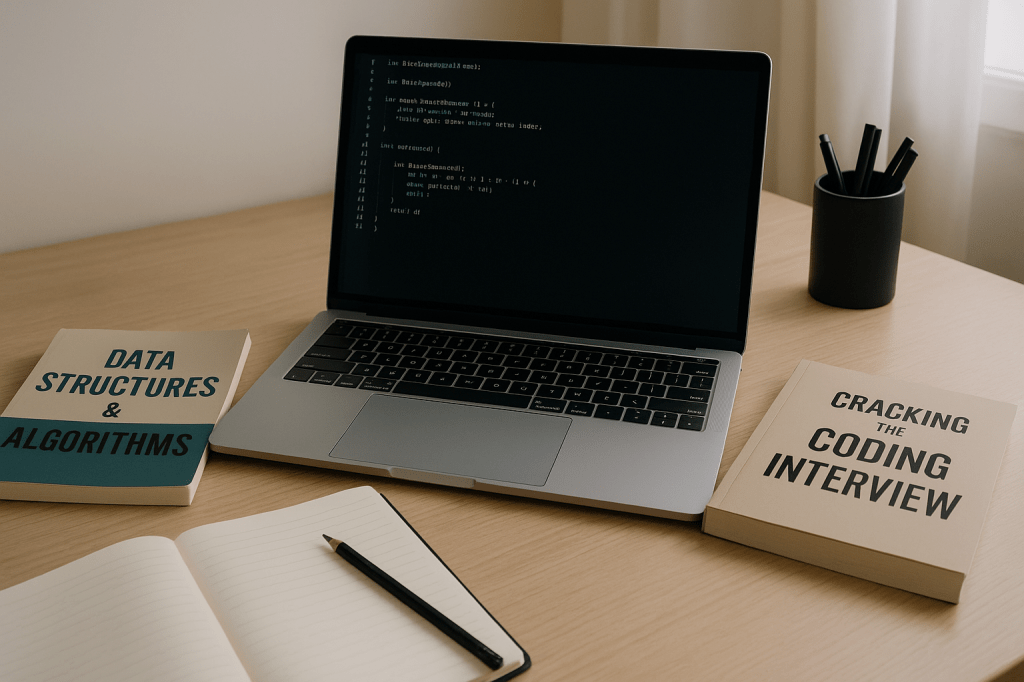
    Back when Hackerrank was new and Leetcode was just starting to spread, I picked up one of those “cracking the interview” books and dove in. I wanted to sharpen my CS fundamentals—algorithms, data structures, systems design—all the things I barely touched since college but that interviews love to test.

    I found the process surprisingly empowering. The platforms gamified the grind—daily challenges, streaks, leaderboards—and it felt like building muscle memory for my brain. But what made it truly hard was discipline. I had a family, limited time, and a full-time job, yet I spent hours every day grinding problems, revisiting old concepts, and learning to think from first principles again.

    My wife was incredibly supportive, and that made a huge difference. Having that kind of backing made it easier to push through the nights when I was tired or second-guessing myself.

    The breakthrough came when I started walking into interviews with confidence. Instead of panic, I felt calm. I could think clearly, explain clearly, and problem-solve with structure. Eventually, I landed great jobs—multiple offers, even—and for the first time, I could choose where to go next. That feeling was priceless.

    Looking back, it wasn’t just about learning algorithms or passing interviews. It was about proving that I could still grow—that I could bet on myself, even after years in the field. It taught me that hard goals don’t stay hard forever. Once you build momentum, discipline becomes habit, and habit becomes strength.

    If I could talk to my younger self, I’d tell him this: you’re capable of more than you think, but you have to commit before you feel ready. The tools are out there, the path is clear—you just have to start walking it.

    Advertisements
  • If I Had a Million Dollars to Give Away

    If I Had a Million Dollars to Give Away

    Daily writing prompt
    If you had a million dollars to give away, who would you give it to?

    If I suddenly came across a million dollars, my first instinct would be to invest it. But since this is about giving it away, I’d probably start with the people who come to mind first—my parents.

    When my sister and I were little, our family never seemed to struggle. My parents’ business did well, and money wasn’t something we worried about. But as I grew older, that changed. Their business slowed, and I started hearing the arguments—the yelling, the blaming, the tension that filled the house. It took years to realize that money itself wasn’t the problem; it was the lack of understanding around it.

    If I gave my parents money today, I’d probably do it over a phone call. We don’t talk often, but I think they’d appreciate the surprise. I wouldn’t make a big deal out of it—just something between us. Quiet giving feels right. No one else has to know.

    Beyond family, I’d look around to see who else truly needs help. Most people want more money, but not everyone needs it. The truth is, money only brings temporary happiness unless something deeper changes. If I really wanted the gift to last, I’d try to make sure it came with guidance—maybe a resource or a conversation about saving, investing, or building a future.

    To me, a good use of money isn’t about spending—it’s about letting it work for you. Saving, investing smartly, understanding compound interest—basic ideas, but powerful ones. If even one person learned how to manage money better because of what I gave, I’d feel I gave well.

    Because at the end of the day, it’s not about coming across the money—it’s about what you do with it once you have it.

    Advertisements
  • Skill I Would Like to Learn

    Skill I Would Like to Learn

    What skill would you like to learn?

    Sometimes I think about all the skills I wished I had learned growing up. I was a creative kid, always curious about how things worked and eager to make things of my own — to draw, to play the violin, to build robots, to write stories. My parents never quite understood that side of me. They wanted me to focus on academics, to walk a path that was safe and respectable. So I did, even if it meant leaving behind some of those early dreams.

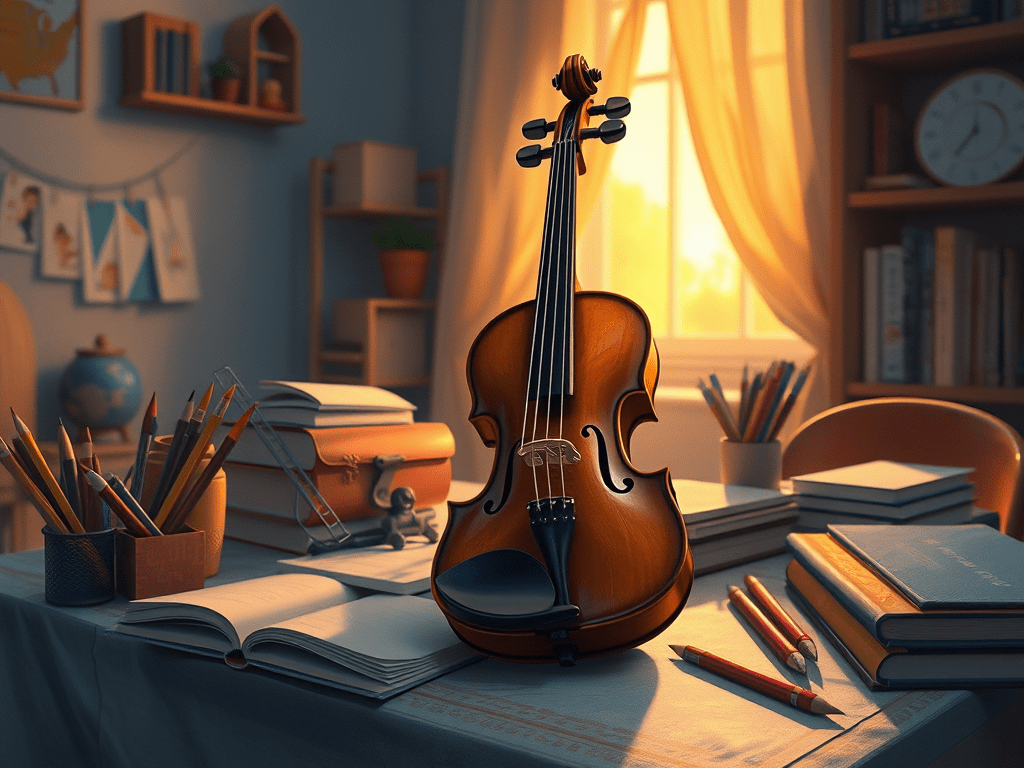
    As an adult, I still feel that small gap inside me — a reminder of the creative boy who wanted to explore and make things just for the joy of it. Life has a way of filling up, though. I have a full-time job, two kids, and an apartment where the sound of a beginner violinist might drive the neighbors crazy. It’s not easy to carve out time for side hobbies anymore. Still, if I ever had more space in my life, I think I’d like to learn the violin. There’s something about its sound — beautiful, soulful — that’s always spoken to me.

    I can imagine the benefits of learning it: using music to unwind after a long day, meeting others who share the same passion, maybe even teaching kids someday. But more than that, it would feel like reclaiming a piece of the creative spark I had as a child. I’ve realized that it’s not too late to pick up new (or old?) dreams — they don’t disappear, they just wait quietly for their turn.

    Some dreams, thankfully, did come true. I grew up loving computers, and I became a software engineer — a career that still lets me create and solve problems in my own way. I even get to work at a video game company, something my younger self would have thought was pure fantasy. Maybe that’s proof enough that the other dreams aren’t so far-fetched after all.

    When I think about the skills I’d like to learn, it’s not really about the violin or writing a book or building a robot anymore. It’s about keeping that creative spark alive, the one that’s been with me since childhood. Maybe one day, when life slows down a little, I’ll finally give that boy’s imagination the time it always deserved.

    Advertisements
  • What Would I Do If I Lost All My Possessions?

    What Would I Do If I Lost All My Possessions?

    Daily writing prompt
    What would you do if you lost all your possessions?

    First, let’s be clear: this is about possessions — material things — not people. The way I understand the question family, friends, relationships aren’t included. Thank goodness. That alone changes the tone, because as long as I have the people I love, I’m not truly empty-handed.

    Still, if all my possessions suddenly vanished? My gut reaction would be panic. Imagine waking up and realizing everything you’ve worked for is gone: the car, the computer, the phone, the clothes, the bed, all of it. My face would probably drain white in that instant. But then the practical side of me kicks in: I still rent my apartment (not mine!), so the roof over my head remains. My job isn’t a “possession,” so I still have an income. With that, I could start over.

    Oddly enough, the more I think about it, the more I realize that very little of what I own is truly irreplaceable. All my smart devices? Backed up in the cloud. Photos? Digitized. Valuables? Painful, sure, but I could save up again. The biggest blow would actually be something like my retirement savings. Losing it would mean pushing retirement further out, maybe never reaching it at all.

    After the shock, I think I’d feel something surprising: freedom. We live in a world where we accumulate more and more, stuffing closets and drawers with things we barely touch. I know I’ve got plenty of junk that, if it disappeared tomorrow, I might not even notice. Losing it all might feel like a reset button, a forced way of asking, “What do I really need?”

    Of course, I’d replace the essentials first — clothes, toothbrush, bed. A bed is non-negotiable; good quality sleep is everything to me. Work tools would probably come from my company, so no stress there. And I’d rebuild slowly, but I wouldn’t rush to fill my place back up with stuff the way it is now.

    In the end, possessions don’t define me. They make life easier, sure, but they also weigh me down. What really lasts are the things computers, TVs, and couches can’t replace: relationships, skills, and experiences. If I lost my physical possessions, I think I’d eventually be okay. Maybe even better.

    Sometimes losing it all is the best way to remember what actually matters.