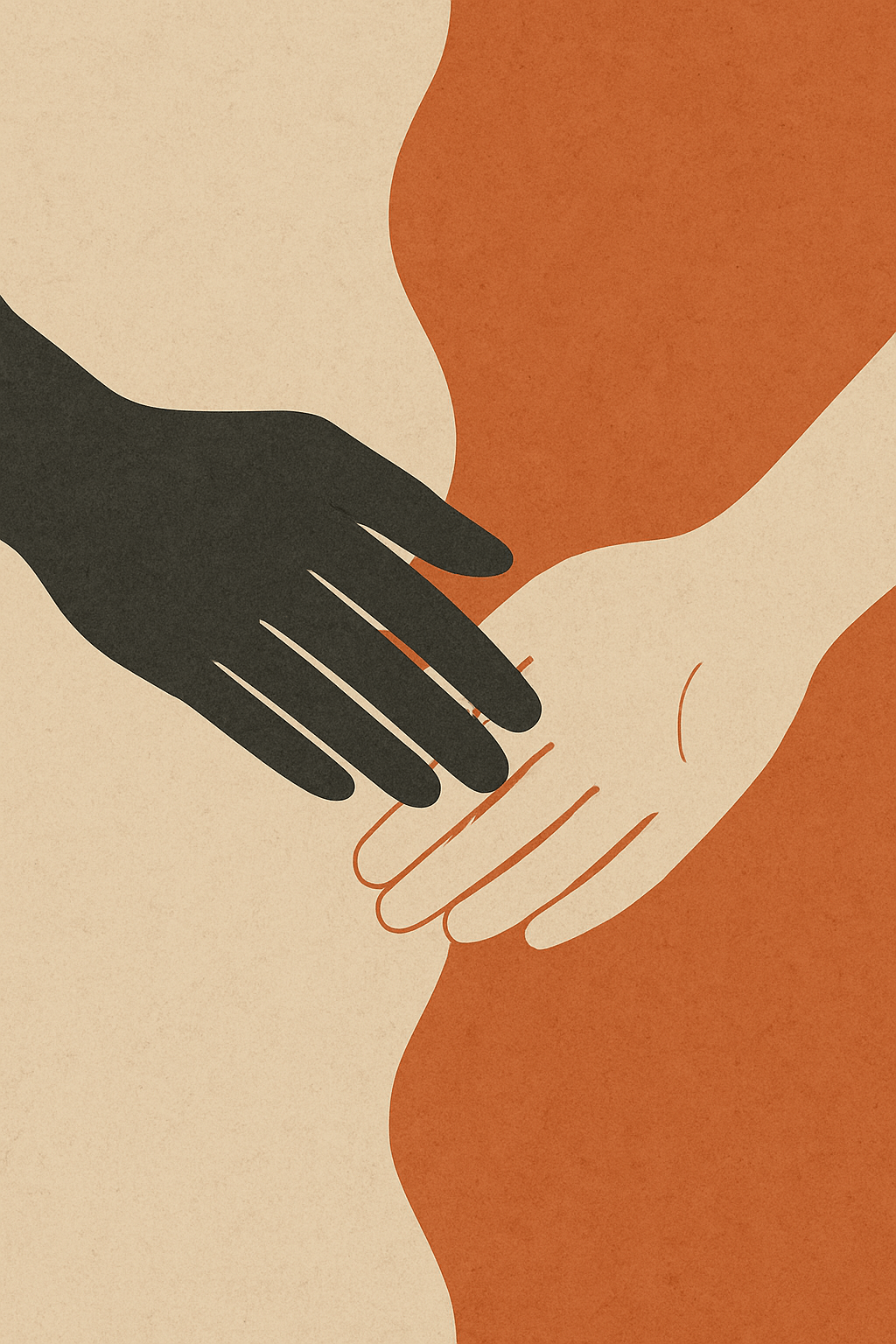


I used to believe that the definitions of good and bad were clear and absolute — set in stone, almost like universal truths everyone agreed on. Stealing was bad, helping was good, and that was that. Of course, I knew there were exceptions — like those moral thought experiments where you’re forced to choose between two bad outcomes (google “the trolley problem”) — but I still thought right and wrong were mostly black and white.
Over the past few years, though, I’ve started to see how blurry those lines can be. Between world events, social movements, and how differently people interpret the same piece of news, I realized that our ideas of good and bad aren’t always shared. Two people can look at the same situation and come away with completely opposite judgments, each believing they’re standing for what’s right.
This shift didn’t happen overnight. I think the pandemic gave me time to slow down and pay attention — to realize how much perspective shapes belief. I used to think morality was simple; now I see it’s often shaped by culture, experience, and even the communities we’re part of.
In some ways, I feel more open-minded and empathetic now. But it’s also tiring — trying to understand everyone’s point of view can be overwhelming. I’m learning that being thoughtful doesn’t mean I have to stretch myself thin to accommodate every perspective. Sometimes, it’s okay to protect my own peace.
Maybe that’s the biggest change of all: realizing that understanding others doesn’t require losing myself in the process.

 johnro
Leave a comment